


Effective Strategies for Commercial Grading Projects
- Earthmovers

- Jan 25
- 4 min read
When it comes to preparing a site for construction or landscaping, proper grading is essential. It ensures the land is level, stable, and ready for development. For businesses, investing in effective grading solutions can save time, reduce costs, and prevent future issues such as drainage problems or foundation instability. This article explores practical strategies to achieve successful commercial grading projects, offering insights that can help you plan and execute your next project with confidence.
Understanding Grading Solutions for Businesses
Grading solutions for businesses involve reshaping the land to meet specific project requirements. This process includes cutting, filling, and leveling the soil to create a smooth, even surface. Whether you are developing a parking lot, building a commercial complex, or landscaping a large property, the right grading approach is crucial.
Key considerations for grading solutions include:
Site assessment: Evaluate soil type, slope, and drainage patterns.
Equipment selection: Use appropriate machinery such as bulldozers, graders, and excavators.
Drainage planning: Design slopes to direct water away from structures.
Compliance: Follow local regulations and environmental guidelines.
By focusing on these elements, businesses can avoid costly delays and ensure their projects meet safety and quality standards.
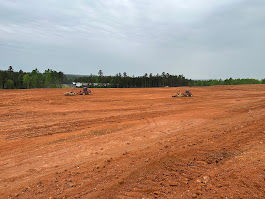
What is commercial grading?
Commercial grading is the process of modifying the land surface to create a level base for commercial construction projects. This involves moving earth to achieve the desired elevation and slope, ensuring proper drainage and structural stability. Unlike residential grading, commercial projects often cover larger areas and require more precise engineering to accommodate heavy loads and complex infrastructure.
For example, grading a shopping center parking lot requires careful planning to prevent water pooling and to support the weight of vehicles. Similarly, grading for office buildings must consider foundation requirements and accessibility.
The process typically includes:
Clearing the site of vegetation and debris.
Cutting and filling soil to achieve the correct elevation.
Compacting the soil to increase stability.
Installing drainage systems to manage runoff.
Understanding these steps helps businesses plan their projects effectively and avoid common pitfalls.
Planning and Preparation for Successful Grading Projects
Effective planning is the foundation of any successful grading project. Before breaking ground, it is essential to conduct a thorough site analysis and develop a detailed grading plan.

Steps to plan your grading project:
Soil testing: Determine soil composition and stability.
Topographic survey: Map the existing land contours.
Design grading plan: Specify cut and fill areas, slopes, and drainage paths.
Obtain permits: Ensure compliance with local building codes.
Select contractors: Choose experienced professionals with the right equipment.
Proper preparation minimizes risks such as soil erosion, uneven surfaces, and drainage issues. It also helps control costs by reducing the need for rework.
Tip: Use digital tools like CAD software to create precise grading models and simulations.

Best Practices for Executing Commercial Grading Projects
Once the planning phase is complete, execution must be carried out with attention to detail and safety. Here are some best practices to follow:
Use the right equipment: Match machinery to the project scale and soil type.
Monitor soil moisture: Avoid grading when soil is too wet or dry to prevent compaction issues.
Maintain proper slope: Ensure slopes direct water away from buildings and roads.
Compact soil in layers: Use rollers to compact soil in lifts for maximum stability.
Regular inspections: Check progress and quality frequently to catch problems early.
Effective communication between project managers, engineers, and equipment operators is vital to keep the project on track.
Example: For a large commercial parking lot, grading should create a slope of about 2% to 5% to facilitate water runoff without causing discomfort for pedestrians or vehicles.
Environmental and Safety Considerations in Grading
Grading projects can impact the environment and pose safety risks if not managed properly. Incorporating environmental and safety measures protects both the site and workers.
Environmental strategies include:
Erosion control: Use silt fences, mulch, or erosion control blankets.
Stormwater management: Design retention basins or swales.
Vegetation preservation: Minimize clearing and protect existing trees.
Safety measures to implement:
Site safety plan: Identify hazards and provide training.
Equipment maintenance: Regularly inspect machinery.
Personal protective equipment (PPE): Ensure workers wear helmets, gloves, and boots.
Clear signage: Mark hazardous zones and restricted areas.
By prioritizing these factors, businesses can reduce liability and promote sustainable development.
Leveraging Professional Expertise for Optimal Results
For complex projects, partnering with experienced professionals can make a significant difference. Companies specializing in commercial grading bring technical knowledge, advanced equipment, and proven methods to the table.
Benefits of hiring experts:
Accurate site evaluation and design
Efficient project management
Compliance with regulations
Access to specialized machinery
Reduced risk of costly errors
When selecting a contractor, review their portfolio, check references, and ensure they have the necessary licenses and insurance.
By applying these effective strategies, businesses can achieve smooth, stable, and well-drained sites ready for construction or landscaping. Proper grading not only supports structural integrity but also enhances the overall value and functionality of commercial properties. Planning carefully, executing with precision, and prioritizing safety and environmental care will lead to successful grading projects that stand the test of time.


Comments